





Copyright © 2025 Fluent Conveyors, LLC. All right reserved

Fluent Conveyors logo is a registered trademarks of Fluent Conveyors, LLC. Serial Number 97664258 Registered on Dec. 12, 2023


Copyright © 2025 Fluent Conveyors, LLC. All right reserved
Fluent Conveyors logo is a registered trademarks of Fluent Conveyors, LLC. Serial Number 97664258 Registered on Dec. 12, 2023

Fluent supplies belt scales, load cells, weigh modules, and weighing indicators for Fluent conveyors and retrofit installations. NTEP- and OIML-certified options available for legal-for-trade and process monitoring applications.
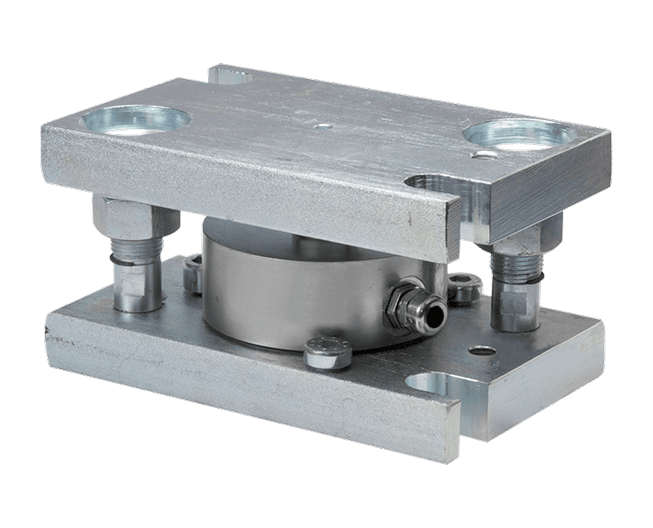
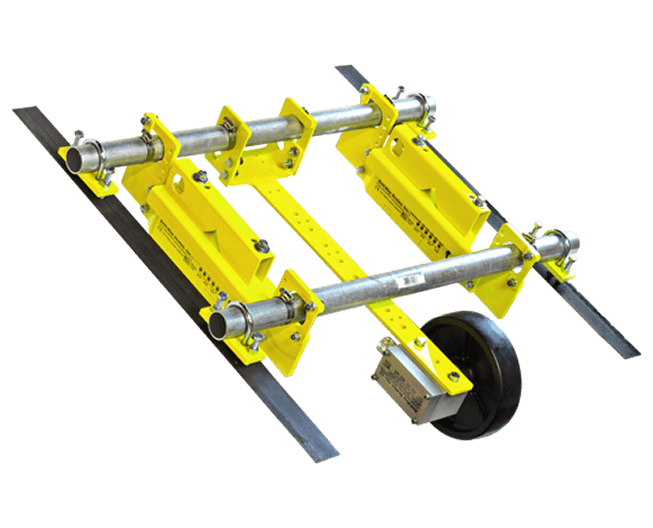

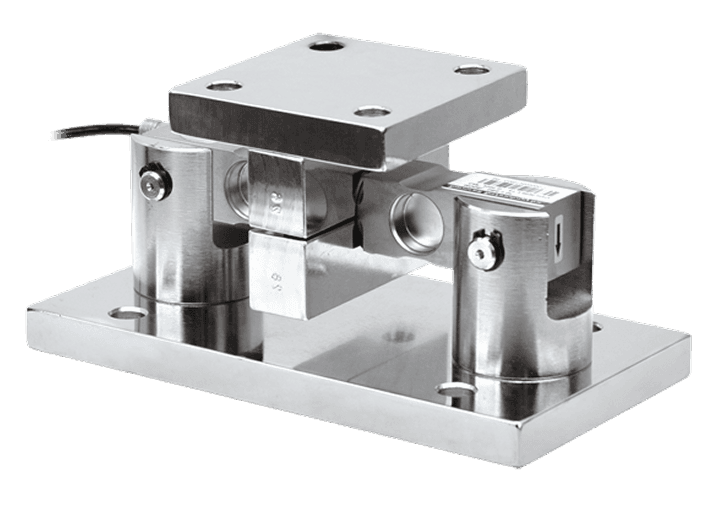
in continuous operations.
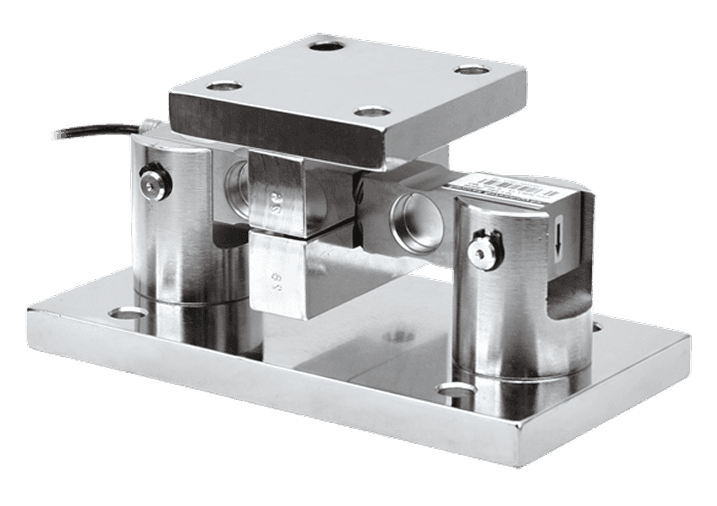
A load cell is a strain gauge transducer; force applied to the sensing element deflects it slightly, changing its electrical resistance in proportion to the load. The load cell outputs a millivolt signal (typically 2 mV/V at rated capacity) that the scale indicator amplifies and converts to a weight reading.
When choosing a load cell, pay attention to the following:
Rated capacity: must exceed the maximum combined weight of the belt, material, and weighbridge structure at any operating condition
IP rating: conveyors in outdoor, washdown, or dusty environments require IP68 or IP69K sealed load cells
Accuracy class: OIML Class C3 and NTEP Class III M are the standard certifications for legal-for-trade belt scale applications
Environmental approvals: ATEX and IECEx ratings required for hazardous area installations
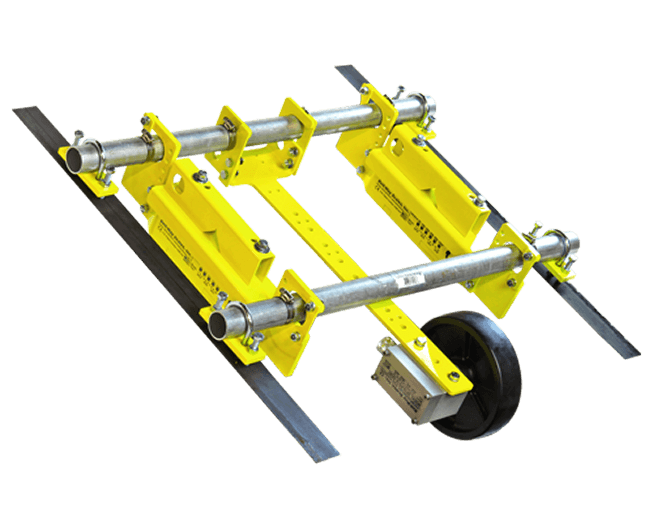
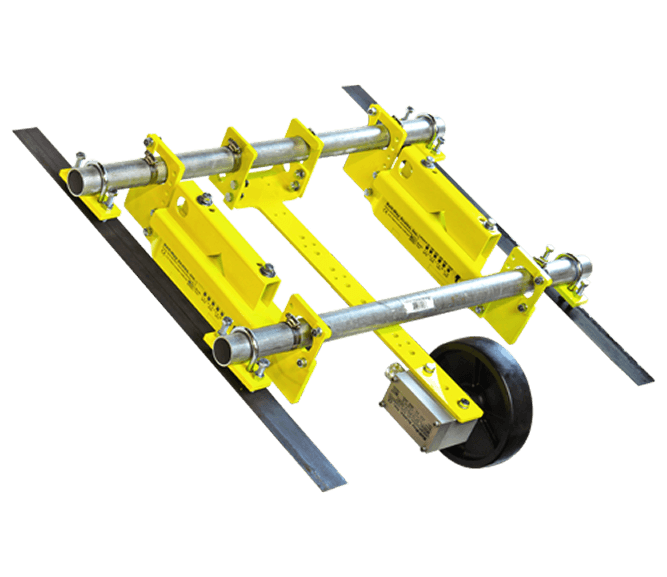
A weigh module integrates a load cell into a mounting assembly that manages the mechanical interface between the weighbridge structure and the load cell. The mounting assembly protects the load cell from dynamic horizontal forces, like belt tension, tracking corrections, and material impact. The weigh module's mechanical structure absorbs and redirects these forces while transmitting only vertical compressive load to the cell.
Mechanical features of weigh module assemblies:
Anti-uplift protection: prevents the weighbridge from separating from the load cell under shock or belt tension reversal
Downstop protection: limits overload travel so the load cell is not damaged during a mechanical event
Lateral force control: constrains lateral displacement in all directions
Stabilizers: optional per-module stabilizers rated for in-motion weighing and high-vibration environments; allow thermal expansion while maintaining lateral control
Weigh modules are sold with or without the load cell installed. Modules without load cells allow the mounting hardware to be installed during conveyor fabrication or maintenance windows, with the sensor fitted later.
Reliable weigh modules designed for accurate measurement and consistent conveyor performance.
7.5–50 t (16.5–110 klb), five sizes across two module sizes
IP68 / IP69K (hermetically sealed load cell)
Class C3; nmax 5,000 (Size 1) / nmax 10,000 (Size 2)
Class III M or Class IIIL M, depending on load cell model
Available; rated for hazardous area groups IIC and IIB
–40 ~ +65°C (–40 ~ +149°F)
Carbon steel (zinc plated) or 304 stainless steel
Up to 2 per module
Shock/vibration pads, thermal pads (to 170°C), shim kits
12 m / 39.4 ft (Size 1), 13 m / 42.5 ft (Size 2)
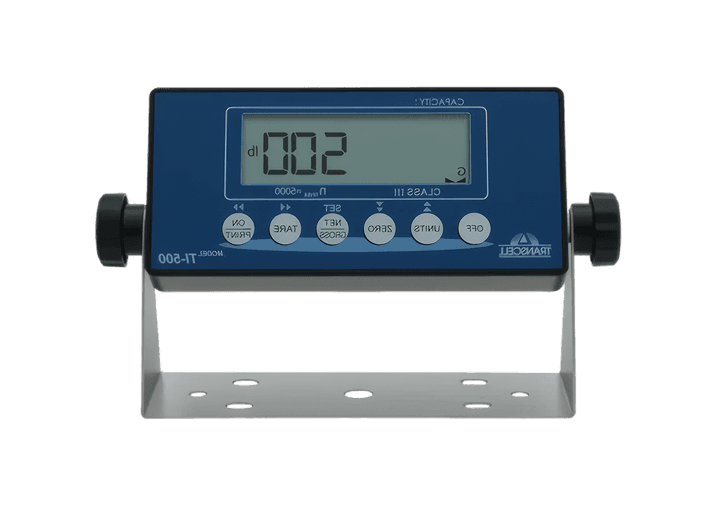
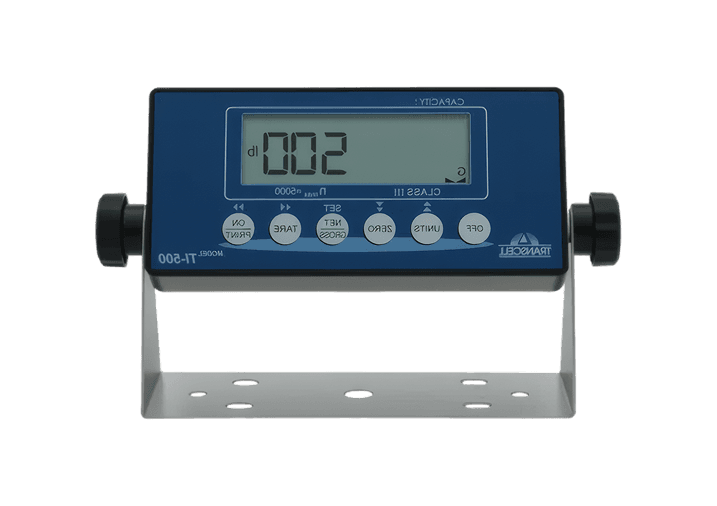
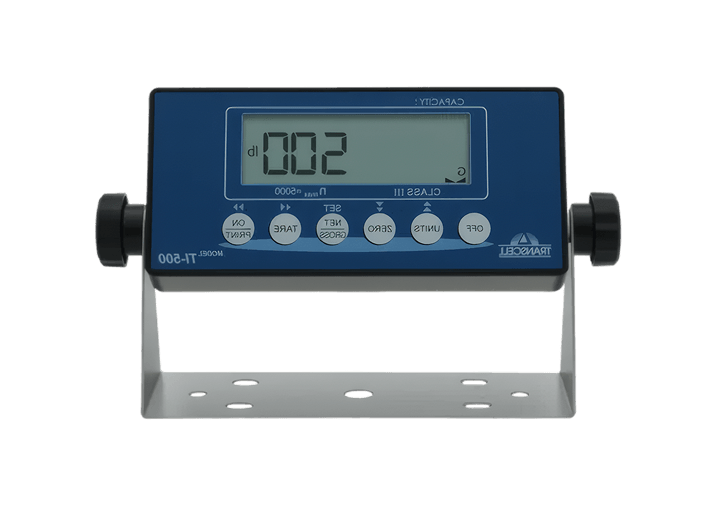
The weighing indicator is the scale controller. It excites the load cell bridge, samples the millivolt output, applies calibration coefficients, and converts the result into the weight and rate outputs used for monitoring, control, and reporting. On a belt scale, the indicator also receives belt speed input from the speed sensor to compute mass flow rate.
Indicators range from panel-mount weight displays with basic relay outputs to full automation transmitters with fieldbus connectivity.
Selection criteria:
Output type: relay contacts for alarms and setpoints, 4–20 mA analog for rate-of-flow, or digital fieldbus for PLC and SCADA integration
Fieldbus protocol: Ethernet/IP, Profibus, Modbus TCP, or serial RS-485; confirm against available PLC input cards before ordering
Calibration features: zero tracking, span calibration, and test chain or electronic calibration routines
Display and HMI: local numeric display for operator visibility; some models support remote HMI or web dashboard reporting without PLC involvement
Legal-for-trade weighing (where belt scale totals directly support commercial settlements) requires NTEP certification in the US. NTEP (National Type Evaluation Program) approval verifies that the scale design meets NIST Handbook 44 Section 2.21 requirements. Operations using conveyor weight data for invoicing, custody transfer, or regulatory reporting need NTEP-certified scale systems inspected and sealed by a weights and measures authority.
OIML Class C3 is the international accuracy classification for load cells used in precision industrial weighing applications, including belt conveyor scales. Load cells meeting OIML C3 also satisfy the load cell accuracy requirements of NIST Handbook 44 for legal-for-trade belt scale systems.
Operations using belt scale data for internal process monitoring only, not commercial settlement, do not require NTEP certification. Periodic calibration verification against a reference method remains necessary regardless.
Provide the following when requesting weighing system quotes:

Fluent designs and manufactures custom conveyors. We understand how belt tension, idler deflection, drive speed stability, and belt tracking affect scale accuracy because we deal with these challenges every day. Our manufacturing experience informs selection, installation guidance, and integration with the rest of the drivetrain. When you source weighing components through Fluent, you gain access to decades of hands-on, problem-solving experience.
Ready to work with the conveyor experts?