






Installation
[Auto-populate 1 related page]

Copyright © 2025 Fluent Conveyors, LLC. All right reserved

Fluent Conveyors logo is a registered trademarks of Fluent Conveyors, LLC. Serial Number 97664258 Registered on Dec. 12, 2023


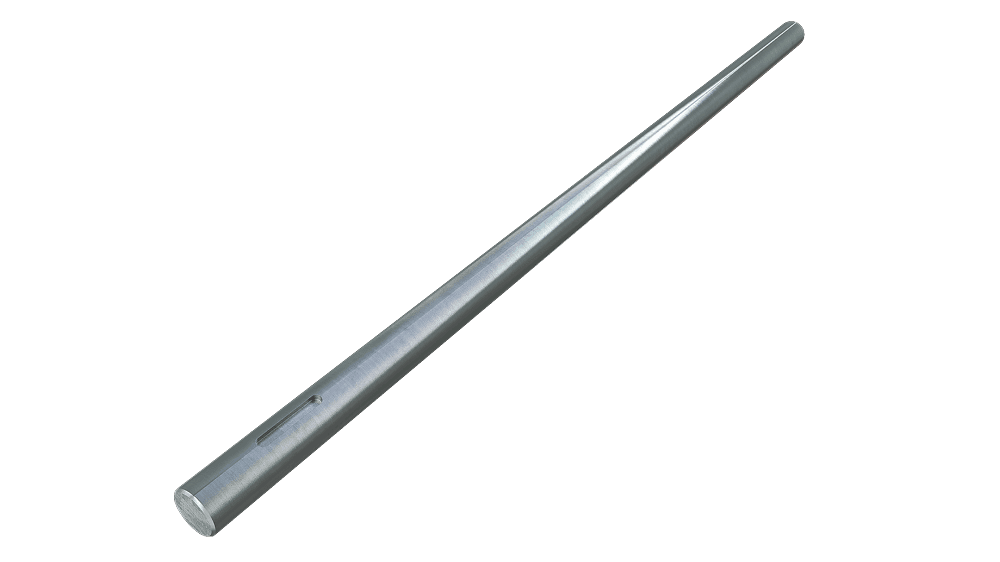
Not all shafts can be configured with every option. Contact us for custom specifications.
1–5 inches; custom sizes available
Keyed or non-keyed
Custom-machined per sprocket and motor requirements
Cold-rolled C-1045 carbon steel
C-4140 steel
ANSI
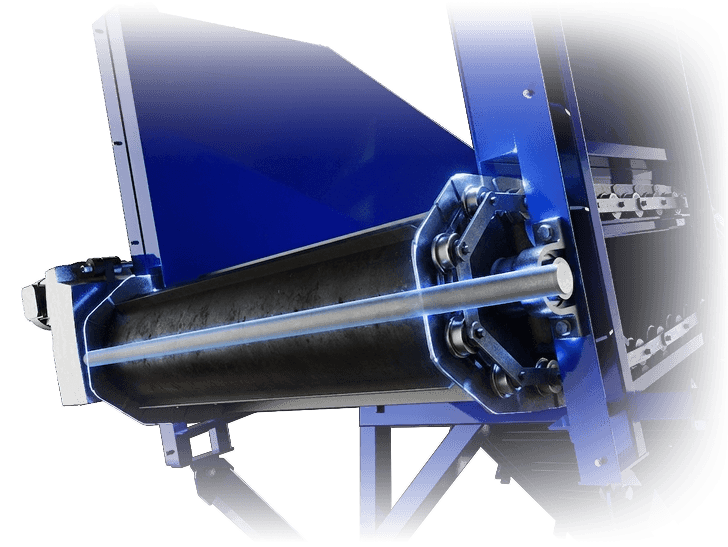
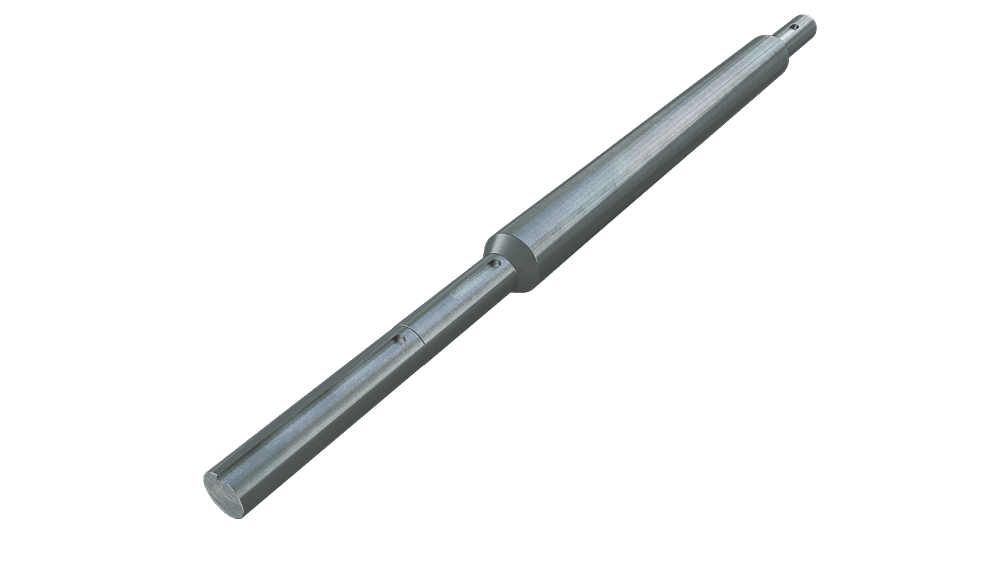
Conveyor shafts transmit rotation and torque between drive components and support radial loads at the bearings and trough ends. The shaft integrates with sprockets via a keyed connection, and pulleys mount around the shaft body. At the drive end, the shaft transfers input torque from the motor-gearbox assembly to the sprocket or pulley, moving the belt. At the tail end, the shaft supports the tail pulley under belt tension and maintains tracking.
Shafts occupy three functional positions on a conveyor:
Drive (head) shaft: Transmits motor torque to the belt via sprocket or pulley. The highest load position on the conveyor.
Tail shaft: Supports the tail pulley under belt tension. May be configured with take-up travel.
Take-up shaft: Positions the take-up pulley and absorbs tensioning load as the belt stretches.
The baseline replacement for drive-end applications where the original shaft dimensions are maintained.
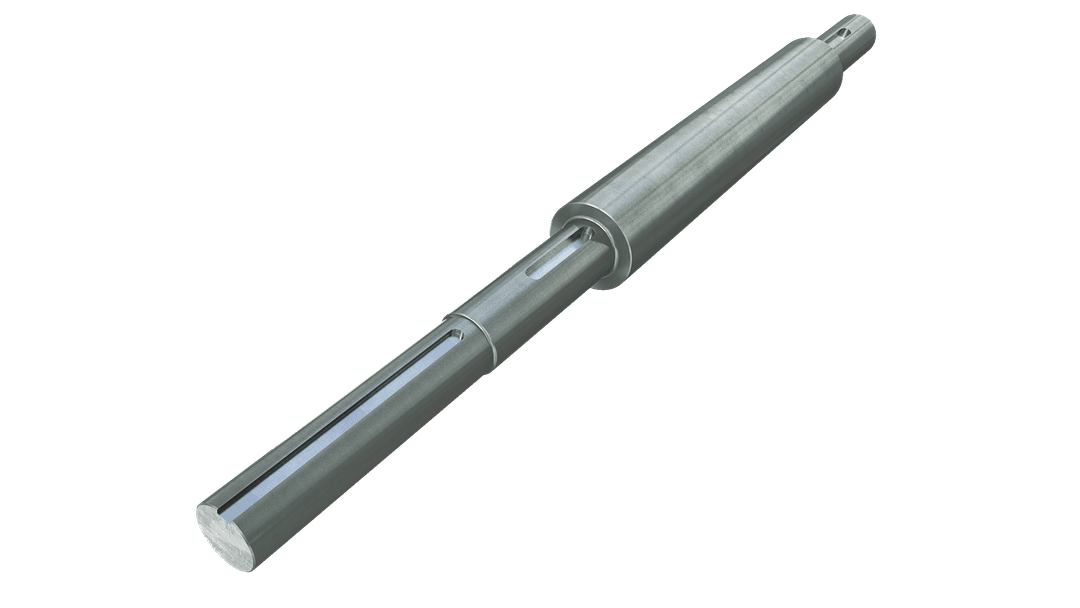
Both grades are machined to ANSI standards. All shafts are keyed, turned down, and machined to match sprocket and bearing specifications.
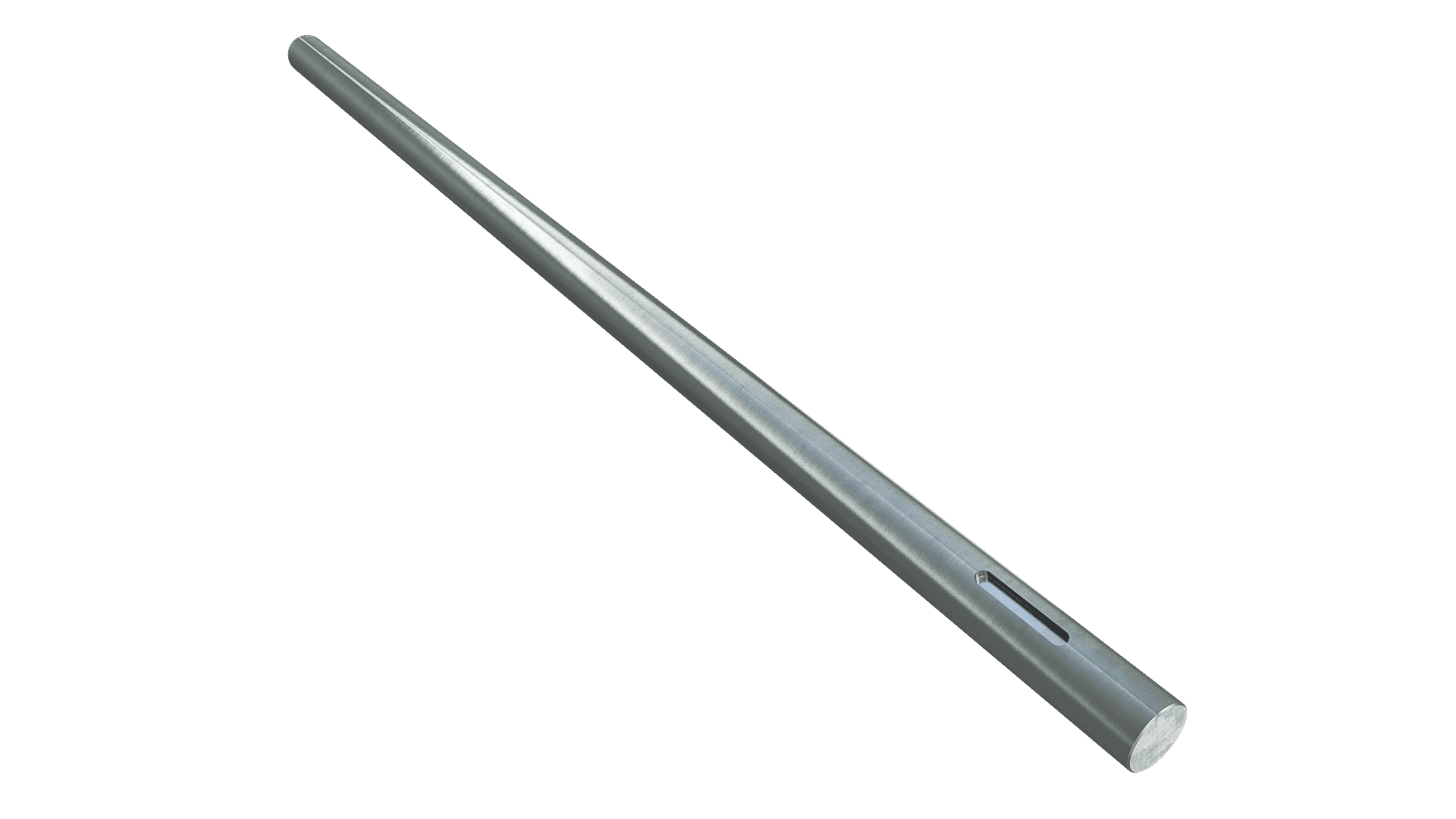

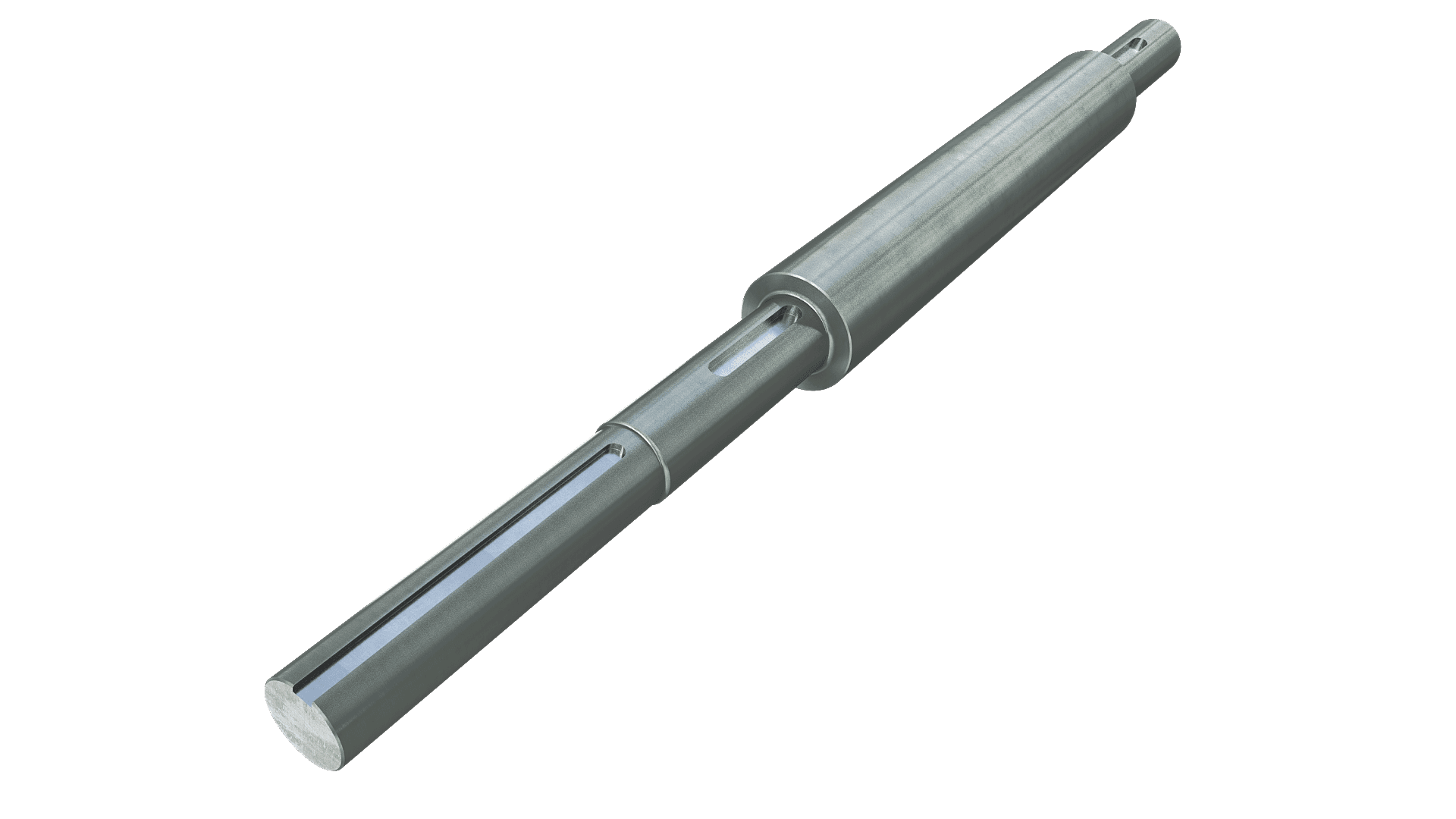
Standard for most conveyor shaft applications. It machines cleanly, holds keyways well, and provides adequate strength across light, medium, and heavy-duty duty cycles.
Specified when corrosive or contaminated materials are being conveyed. C-4140 is also appropriate where higher torsional strength is required by the application.
Both grades are machined to ANSI standards. All shafts are keyed, turned down, and machined to match sprocket and bearing specifications.
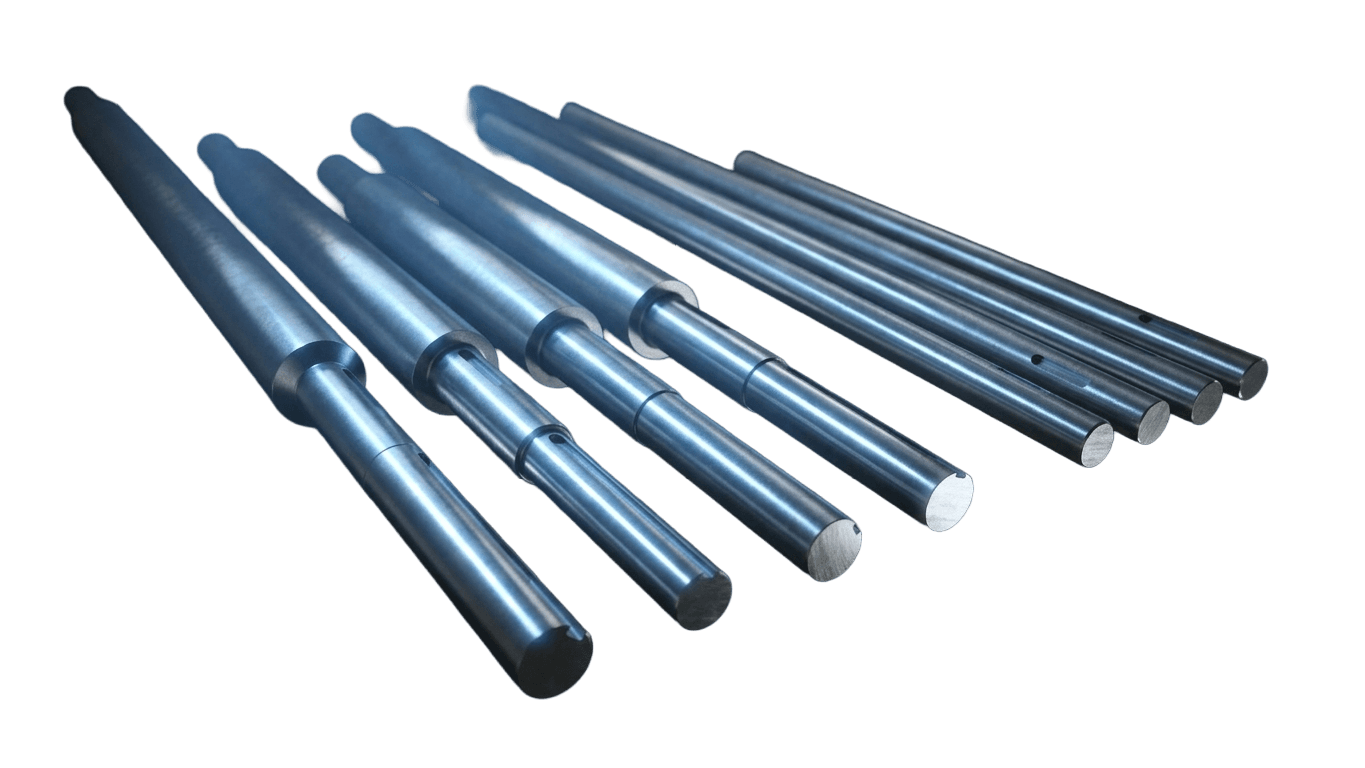
Proactive inspection and replacement catch problems before they cascade into pulley, bearing, or frame damage. Inspect shafts during any scheduled downtime that involves removing the tail or head pulley assembly.
Replace the shaft when you find:
Visible bending or deflection under load
Journal surface damage, such as pitting, corrosion, fretting, or undersizing from wear, at the bearing seat
Wallowed or cracked keyways
Corrosion beyond the surface, particularly in the journal area
Fatigue cracking, especially at step transitions between turned-down journal diameters and the main shaft body
Don’t weld-repair a damaged shaft journal or straighten a bent shaft. Both compromise the material properties and dimensional accuracy that bearing and sprocket fits depend on.

Fluent designs and builds custom conveyors. We machine and install shafts in our systems every day. When you source from Fluent, you're working with engineers who understand shaft load ratings, keyway tolerances, and journal specs in real conveyor applications.
Ready to work with the experts?
[Auto-populate 1 related page]
[Auto-populate 3 related pages.]