
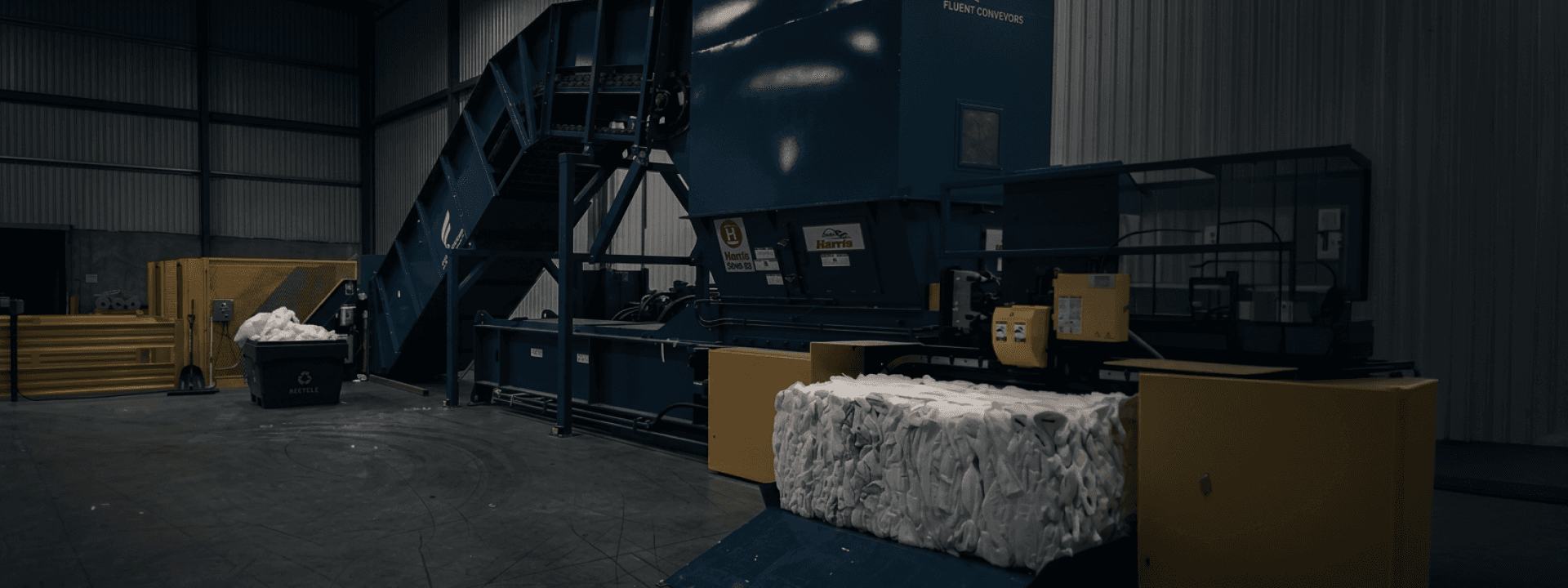
Baler infeed conveyors built around your equipment, material, and layout

Baler infeed conveyors built around your equipment, material, and layout

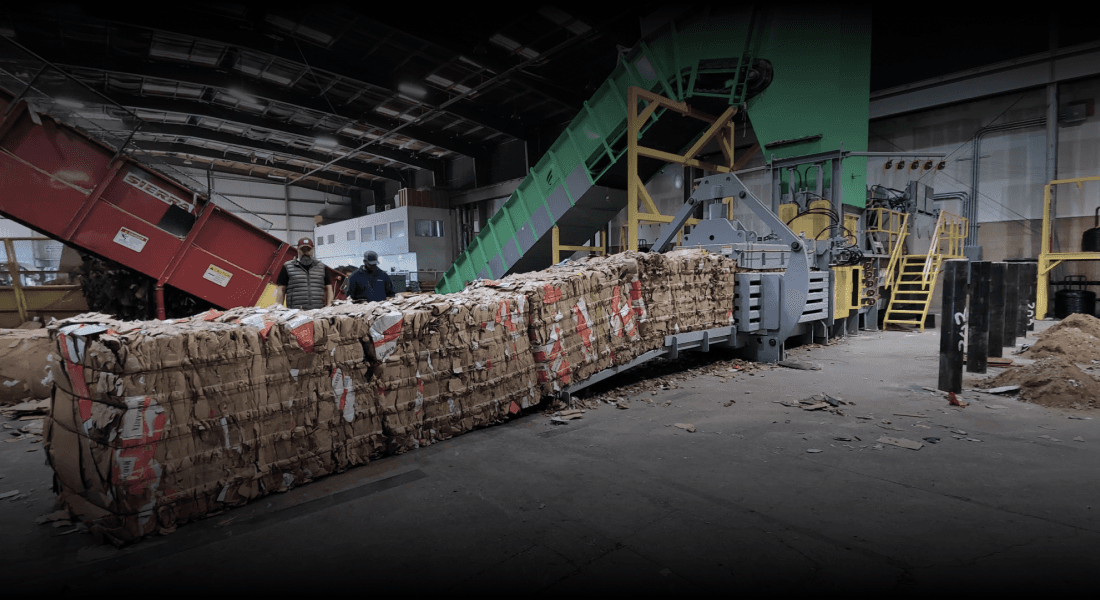
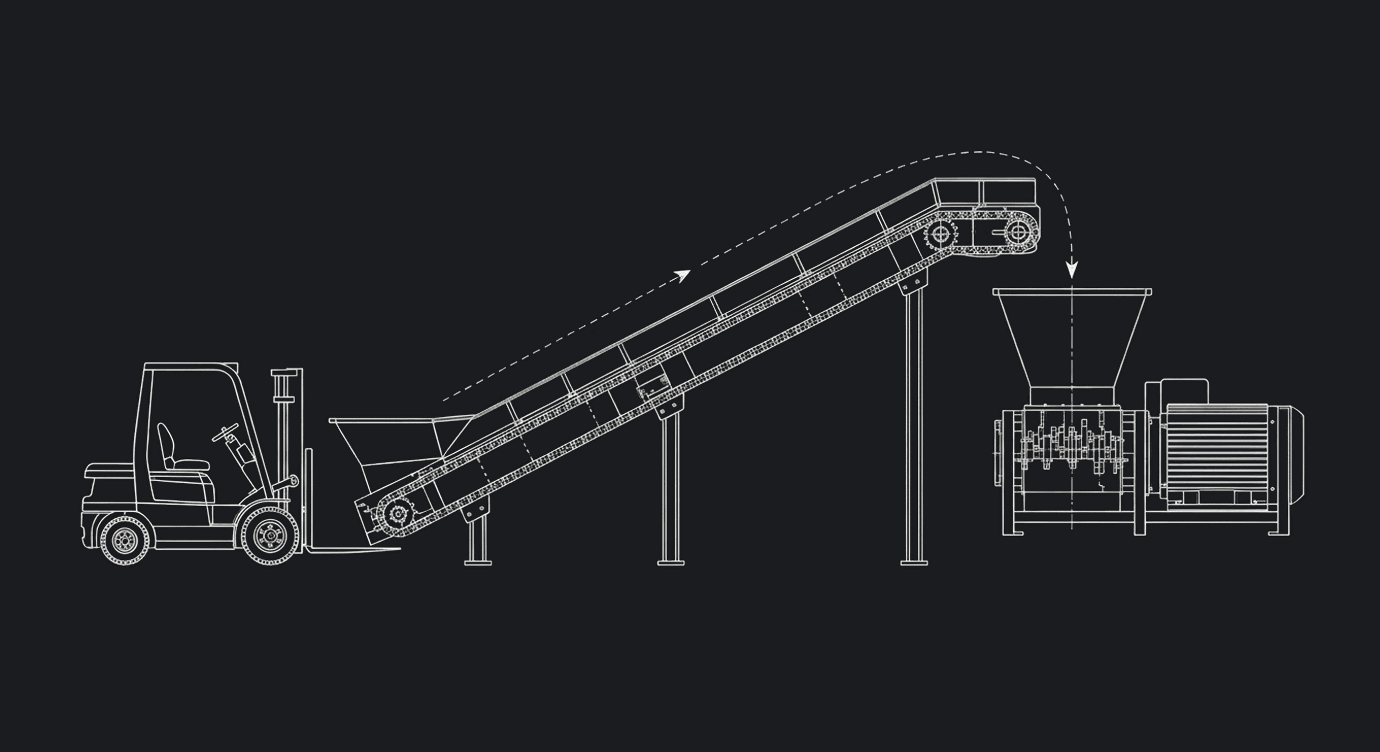
Fluent builds baler infeed conveyors that meter material into the charge box at a steady rate. Maximize throughput and avoid jams with roller chain tumble-back conveyors and other infeed conveyors.

Fluent Conveyors Scroll Arrow
Fluent Conveyors | Leadership in Industrial Conveyors Background

Our baler infeed conveyors

Roller chain conveyors are usually the best option for baler infeed. A sprocket-driven chain carrying metal or rubber belting holds the load on an incline, feeds without slip, and shrugs off the abrasion and impact that degrade pulley-driven conveyors.

Tumble-back roller chain conveyors| Fluent Conveyors

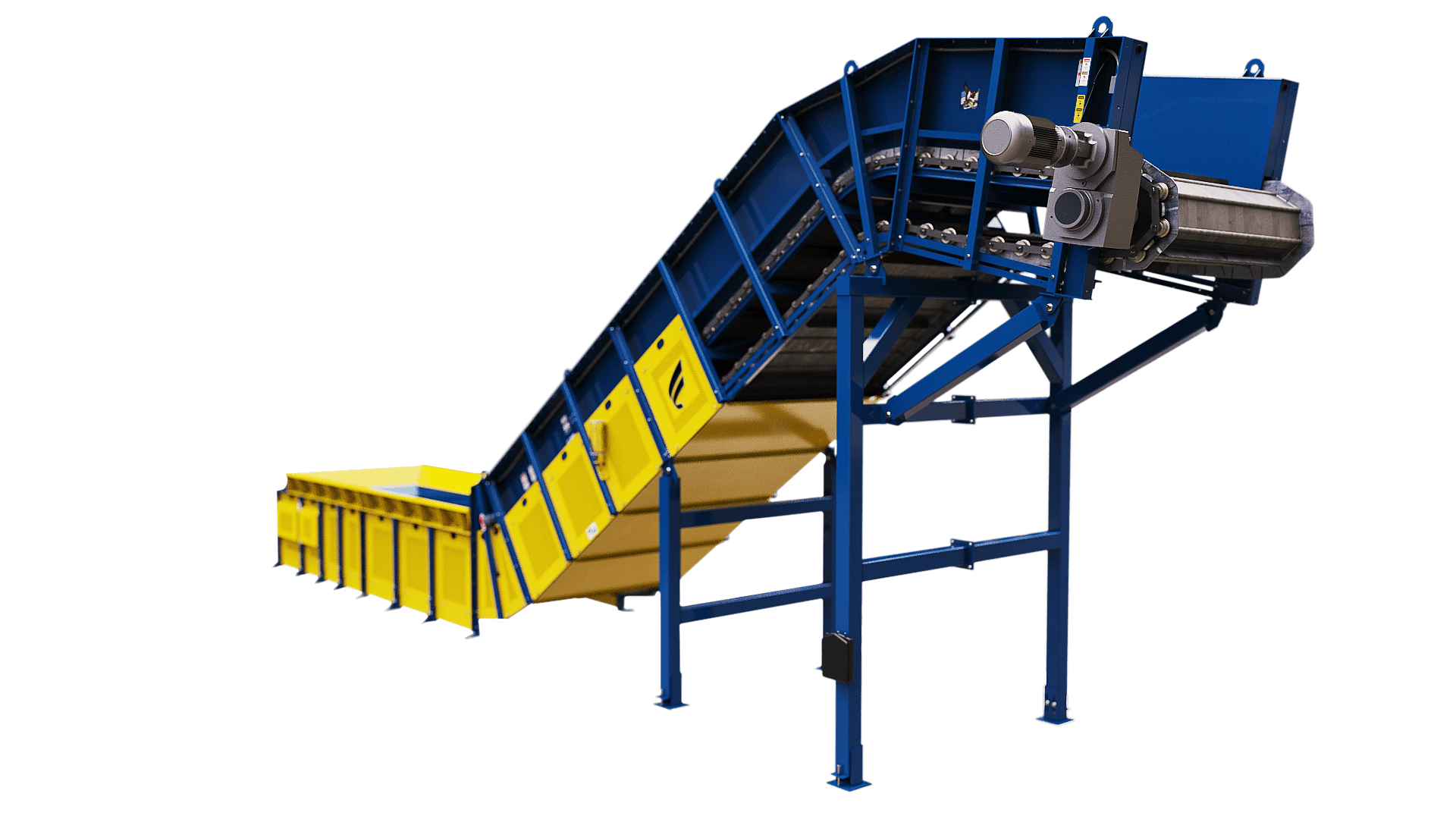
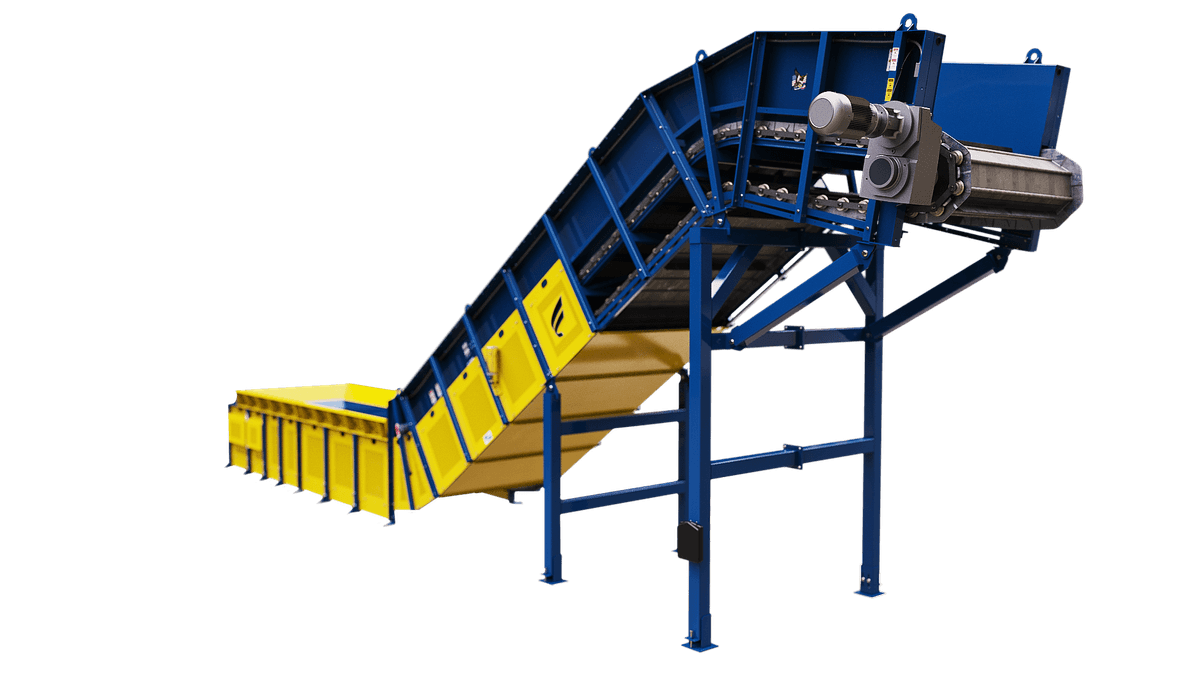
Tumble-back roller chain conveyors

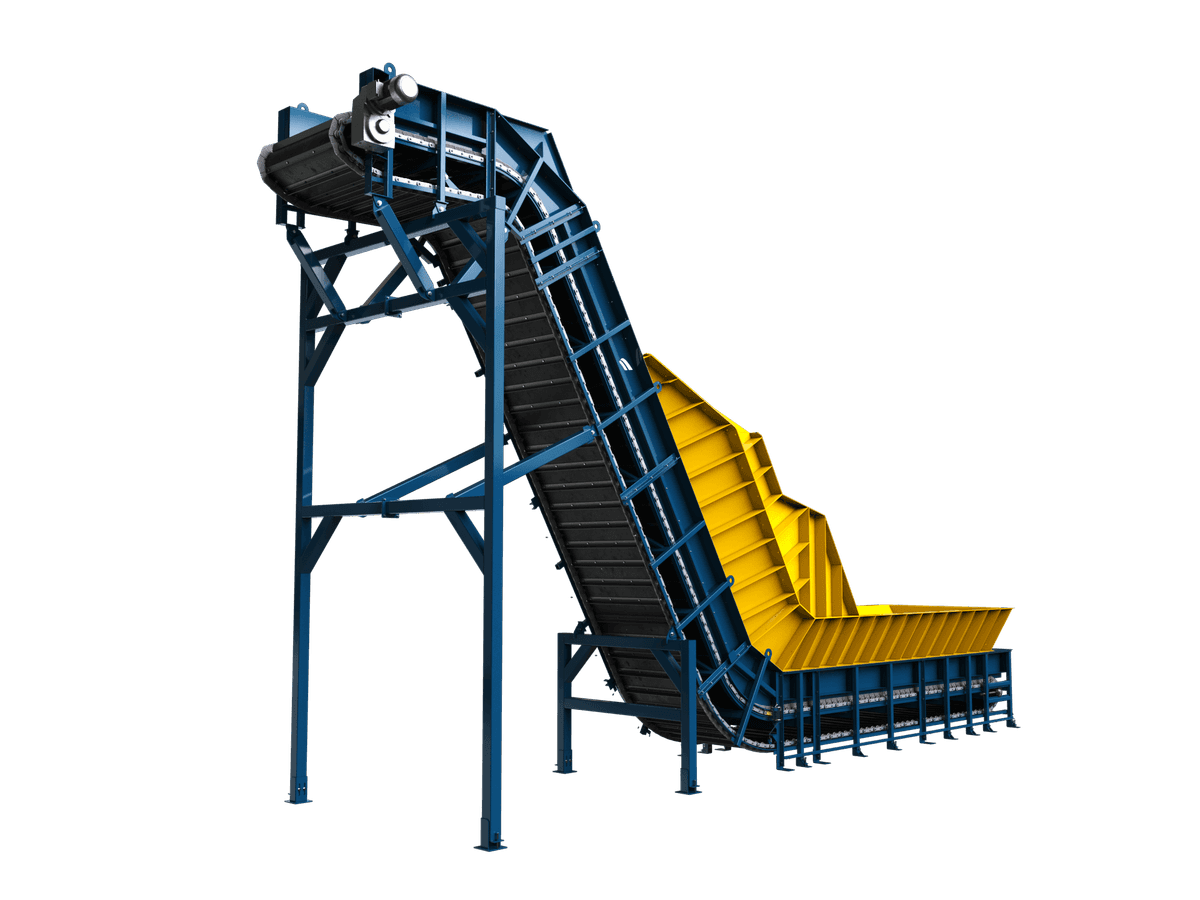
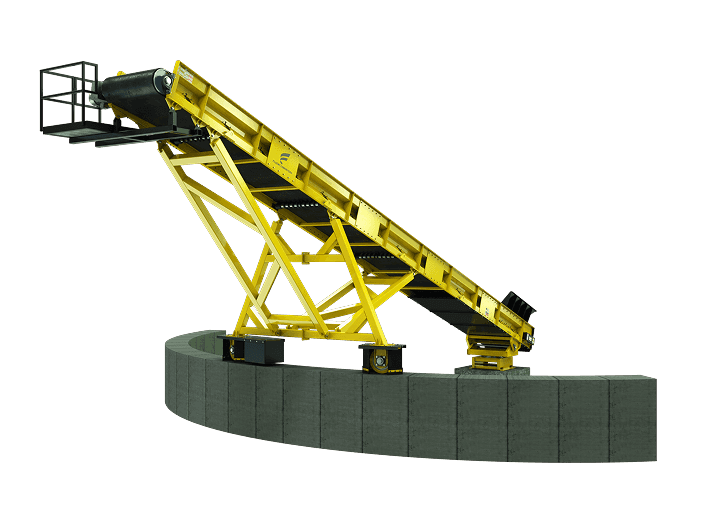
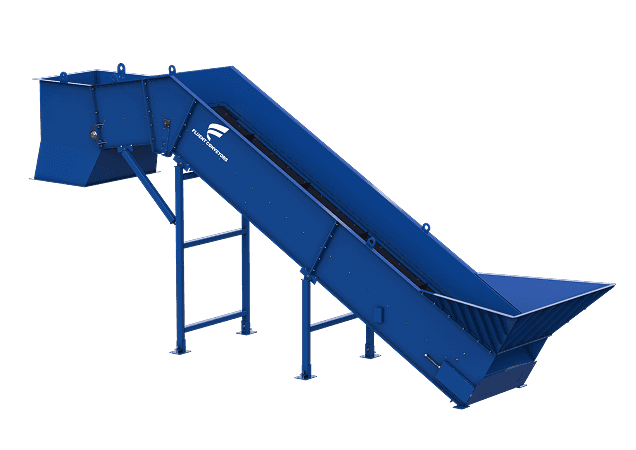
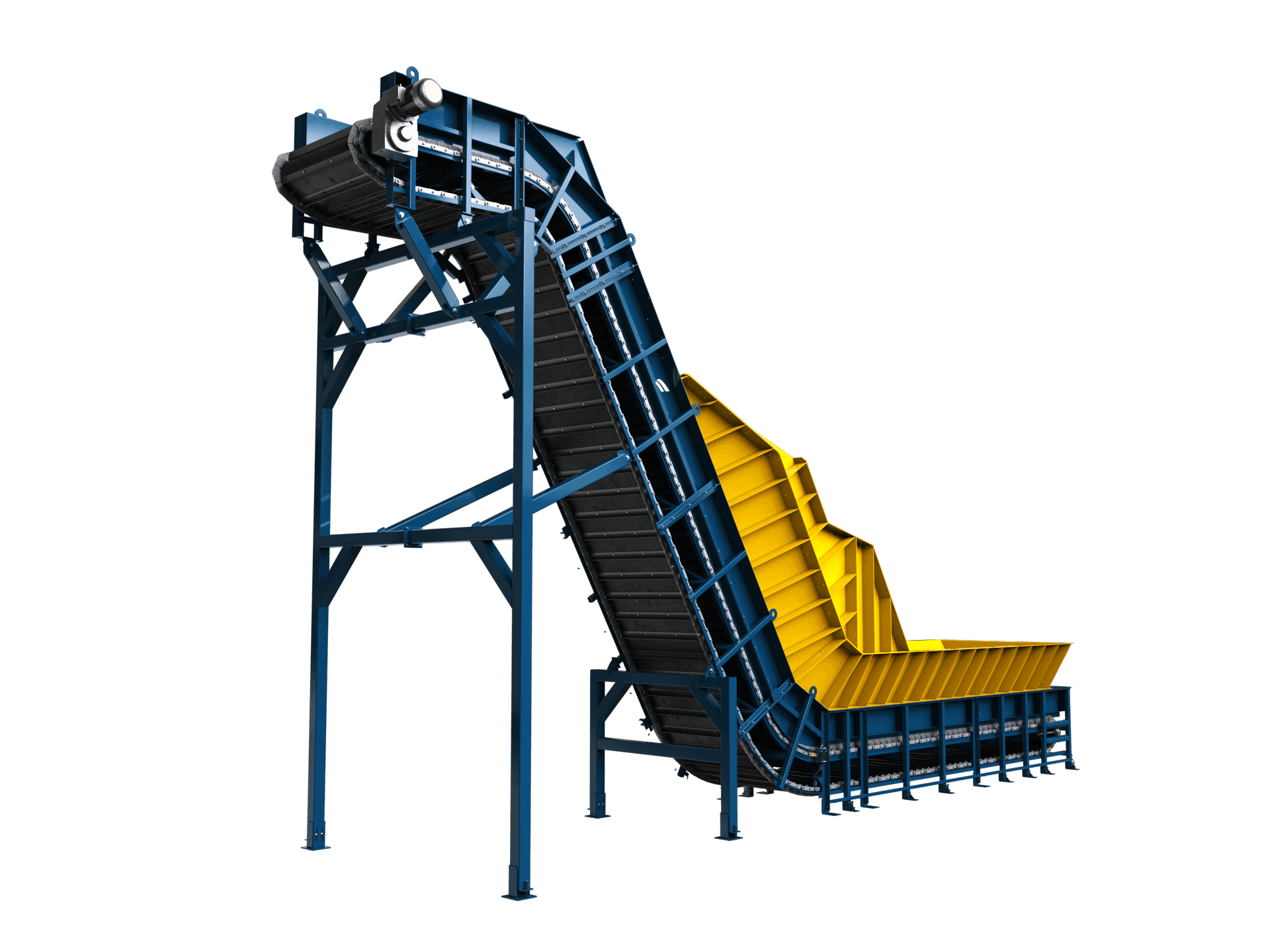
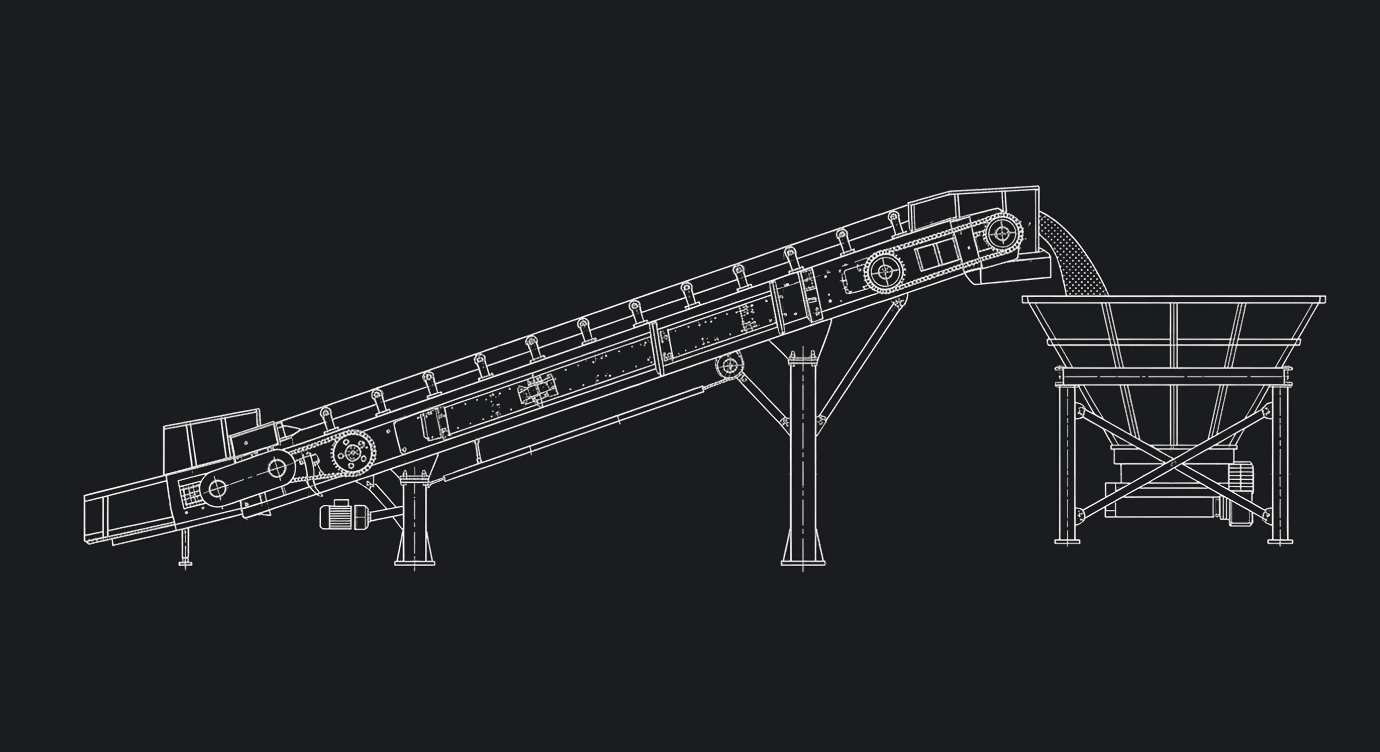
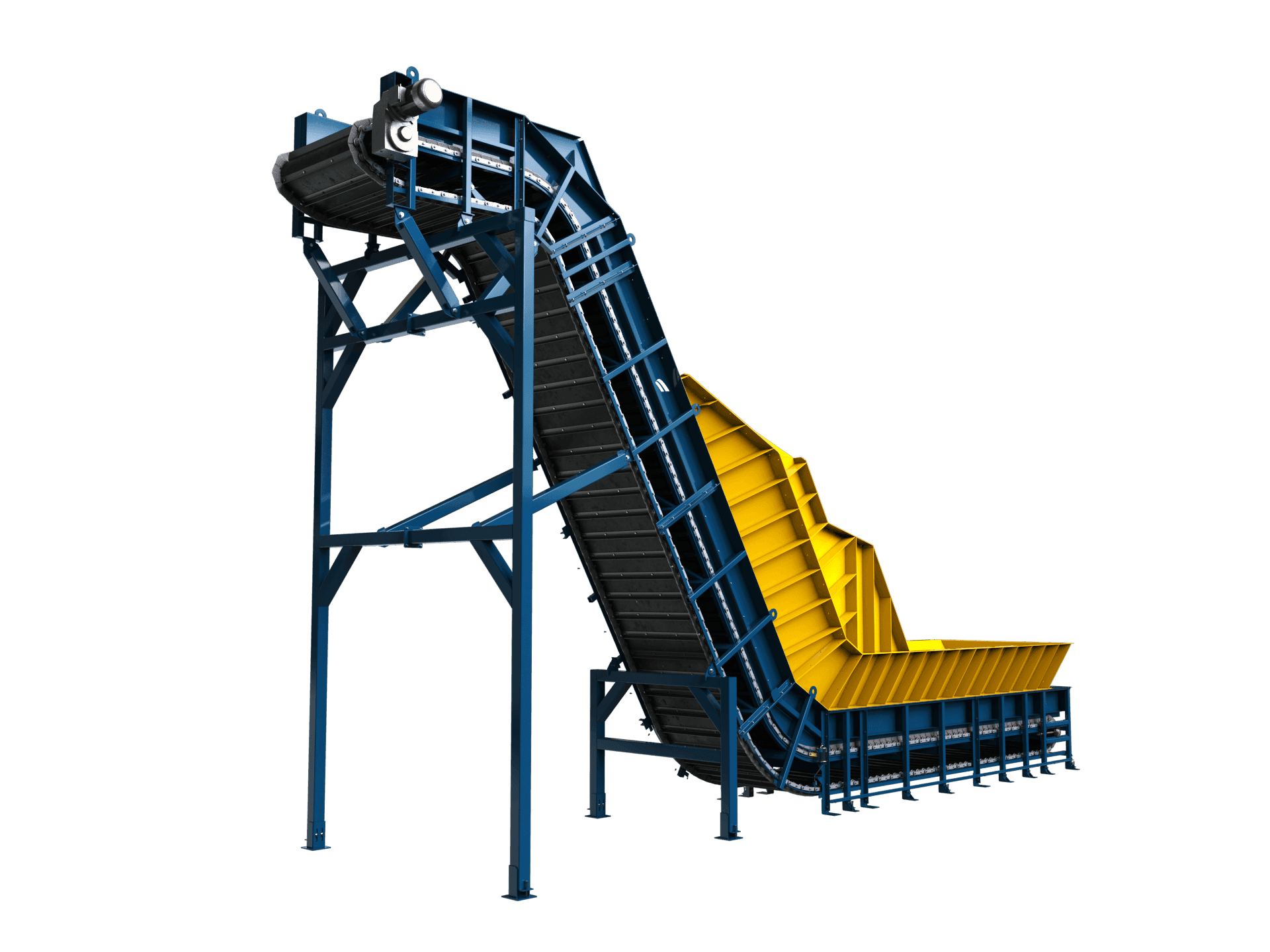
A tumble-back conveyor runs a cleated rubber combo belt up a steep incline. The geometry does the metering: material tumbles back on itself, so the baler receives an even feed. For a steady, jam-resistant baler infeed across the materials most facilities run, nothing else we build competes with it.

Roller chain conveyors for the heaviest streams| Fluent Conveyors

Roller chain conveyors for the heaviest streams

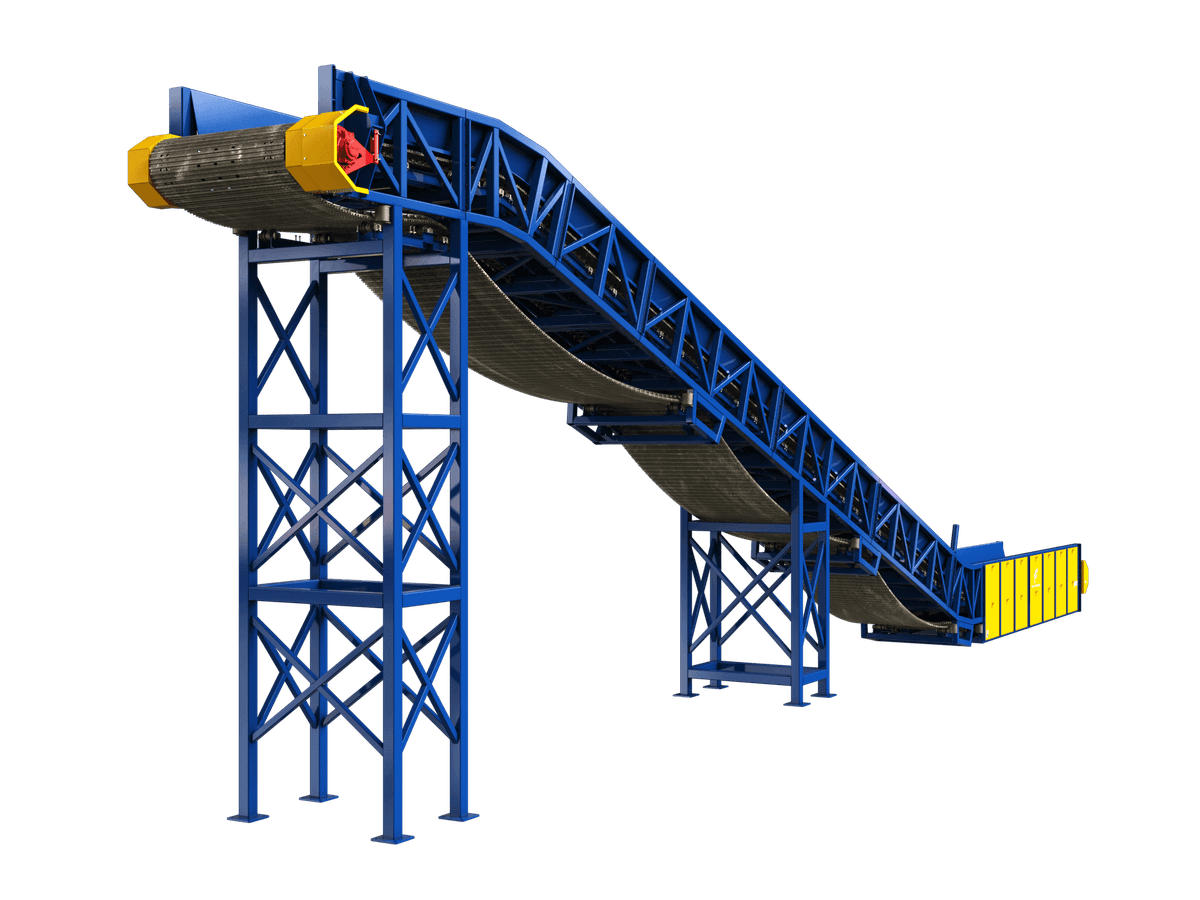
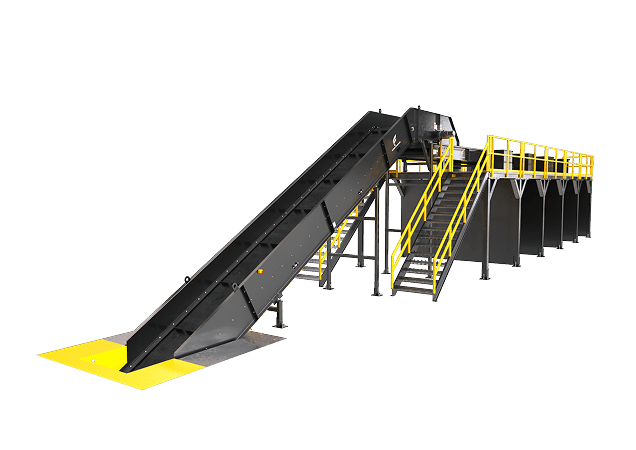
Scrap, C&D debris, and dense mixed solid waste call for a heavier roller chain equipped with a steel belt. Cleats or Z-pan belting contain materials on an incline. Roller chain conveyors can withstand impact and abrasion to handle the toughest jobs.

Light-stream alternatives| Fluent Conveyors

Light-stream alternatives

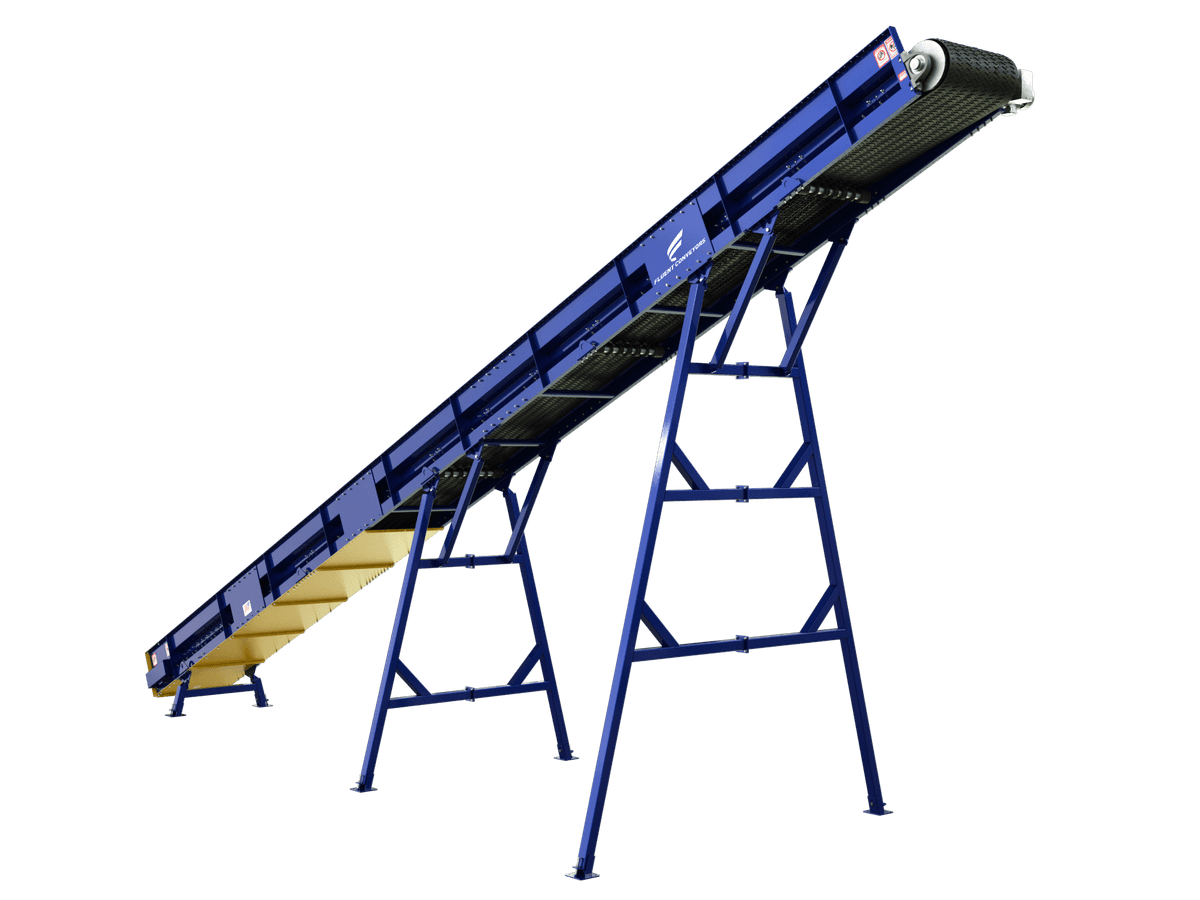
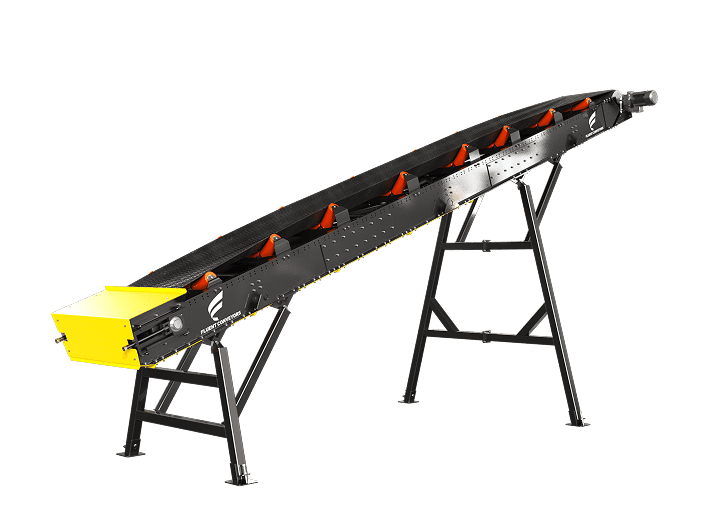
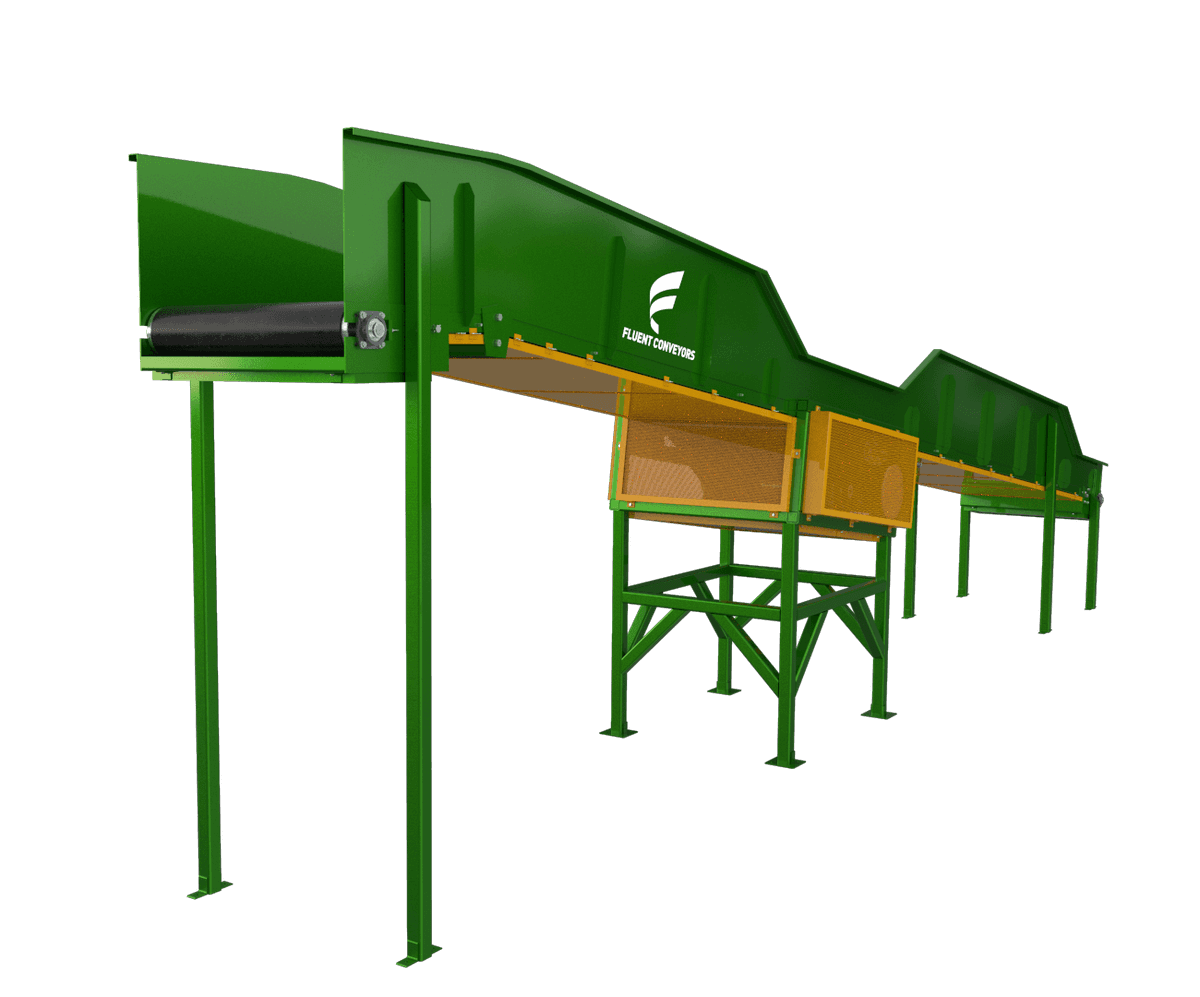
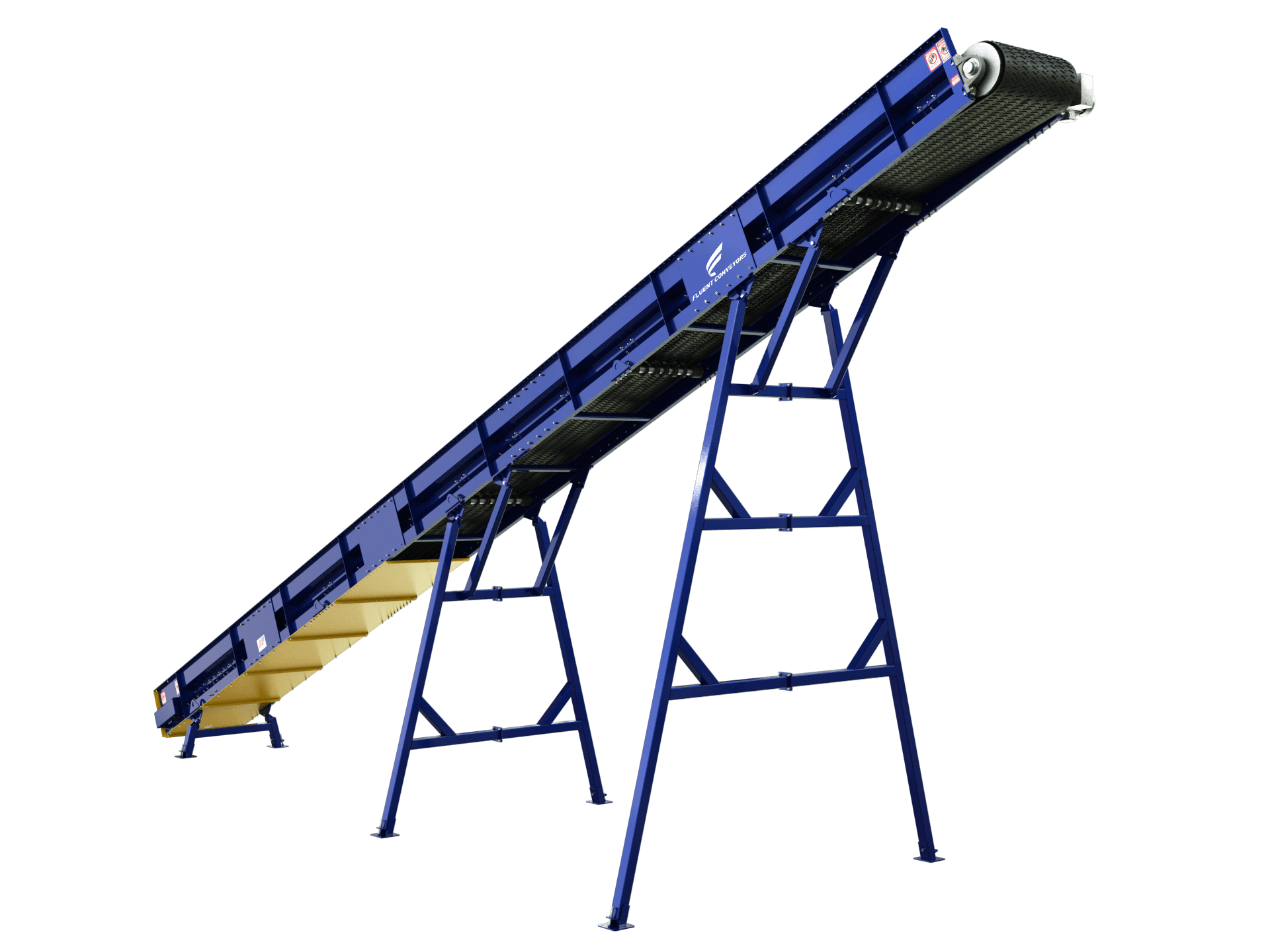
Slider bed conveyors can handle light, uniform loads, like fiber and plastics. Less commonly, we can configure flat idlers or trough idlers to fit specific layouts and load profiles.

How we engineer the feed

We design conveyors to meet your baler and feed requirements. 

Feed rate to ram cycle

Belt speed is tuned to fill the chamber evenly between strokes; variable speed control lets operators re-trim as the stream shifts.

Incline and cleats

Angle and cleat geometry are set to the material, enough to save floor space and hold round stock like bottles and cans against rollback.

Discharge geometry

The transition and discharge height are built to the charge box, so material drops clean instead of hanging at the transition.

Bridging control

Belt width, sidewalls, and drop are sized so oversized OCC and interlocking material clear into the chamber rather than bridging the ram.

See our custom conveyor capabilities.

Custom options for baler infeed

We build the features high-volume baler lines need to keep feeding clean.

Custom options for baler infeed

Metering control via VFD lets operators trim feed rate to the ram cycle in real time, the single most effective defense against bridging and starved strokes.

Cleats and sidewalls hold loose OCC, mixed paper, and round stock on the incline instead of letting it roll back at the feed angle.

Hoppers, chutes, and transitions direct material into the baler charge box so it drops square instead of hanging at the transition.

Covers and guarding enclose transfer points to contain spillage and windblown material, keeping the line and the floor around it clean.

E-stops and pull cords are positioned for reach along the run and configured to support compliance with applicable conveyor safety standards.

Belt scrapers and wipers keep carryback off the return side, cutting buildup and cleanup under the line on wet or sticky streams.

Speed sensors trigger alarms or shutdowns on belt slip or stall, protecting the drive and flagging a feed problem before it becomes a jam.

Dead man plates, halo lights, and alarms round out the safety package on lines where operators work close to the feed.

Control panels are built to UL-508A specifications and TÜV requirements; see our UL-508 compliance page.

Layouts we build into your facility

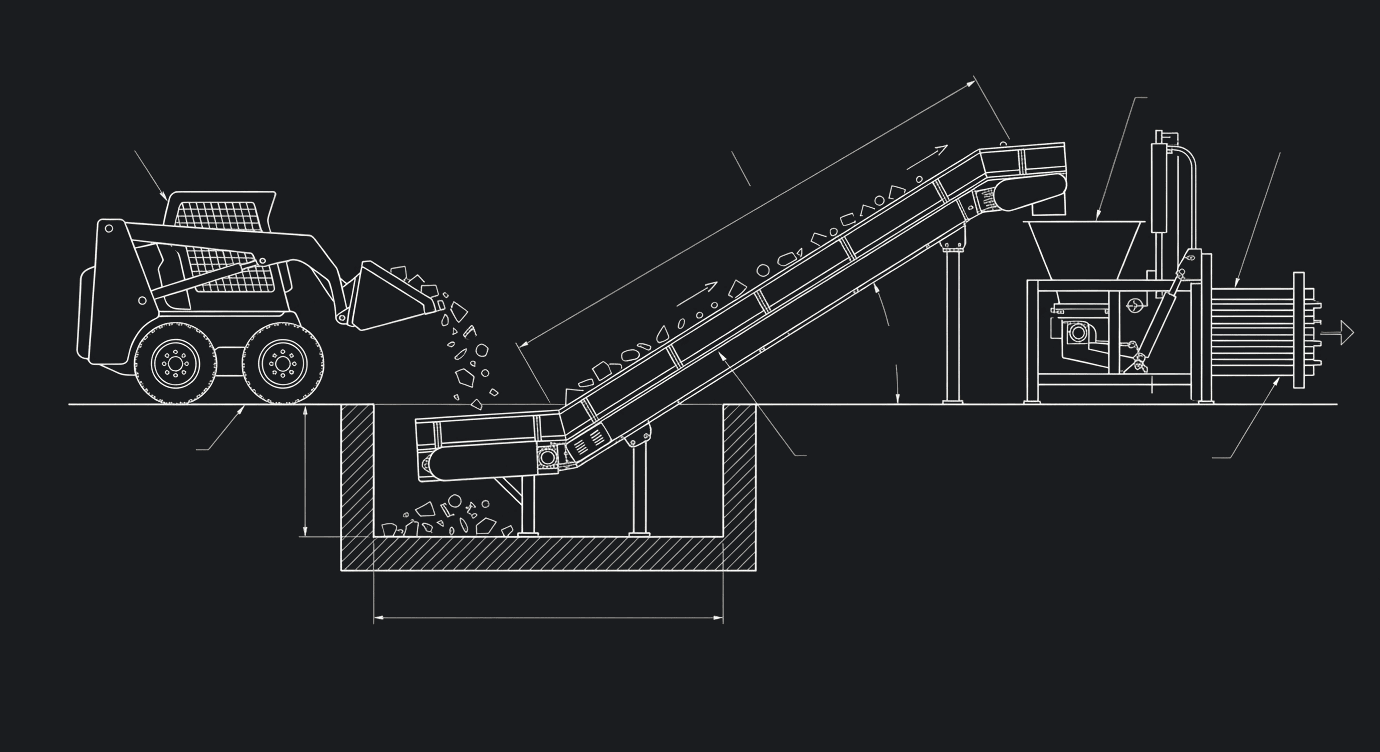
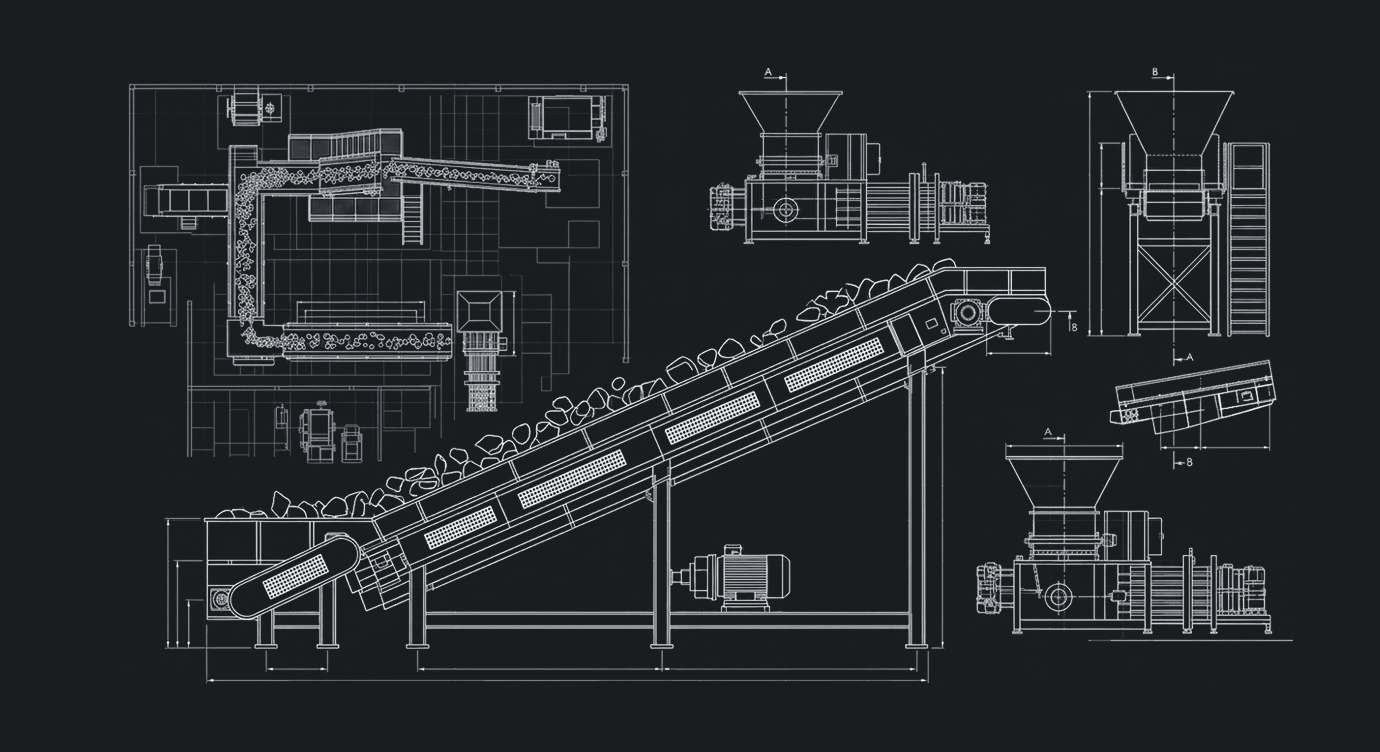
Loading method and building constraints set the layout. We engineer to the pit, baler, and footprint you already have:

What we need to size your conveyor

Prepare as much of the following as possible for a faster quote:

Material stream: OCC, mixed paper, single stream, plastics, scrap, or C&D determines belt type, cleating, and duty tier.

Load method: Skid steer, front-end loader, cart dump, bin tipper, or hand-fed determines the incline, sidewalls, and impact zones.

Target throughput: Tons or volume per hour determines belt speed, width, and drive size.

Baler make and model: Sets the charge-box opening, discharge height, and transition design.

Facility layout: Pit, above-ground, or incline-into-hopper determines the frame and footprint.

Safety requirements: Access points, guarding, and covers are configured to facility protocols.

For budgeting context before you send specs, see how much a conveyor costs.

What we need to size your conveyor
Do you need a conveyor solution? Contact Fluent Conveyors

Feed your baler the right way

Fluent designs and builds baler infeed conveyors in the USA, engineered to your material, baler, and footprint. Send us your baler make and model, material stream type, loading method, and available space, and our engineering team will spec the conveyor and layout that keeps your ram working.

    Guides for baler infeed systems

    Resource Icon

    Roller Chain Conveyor Guides

    Resource Icon

    Flat Idler Conveyor Guides

    Resource Icon

    Sort Station Conveyor Guides

    Baler infeed FAQ

    All Fluent conveyors

    Fluent manufactures conveyor solutions for applications across recycling, waste management, logistics, and other industries. Explore all Fluent conveyors below.

    Fluent conveyors footer background cover indicating manufacturing processes
    Fluent Conveyors Footer Map Diagram

    Copyright © 2025 Fluent Conveyors, LLC. All right reserved

    Fluent Conveyors DMCA Payment

    Fluent Conveyors logo is a registered trademarks of Fluent Conveyors, LLC. Serial Number 97664258 Registered on Dec. 12, 2023

    Fluent Conveyors FacebookFluent Conveyors XFluent Conveyors LinkedInFluent Conveyors Youtube